
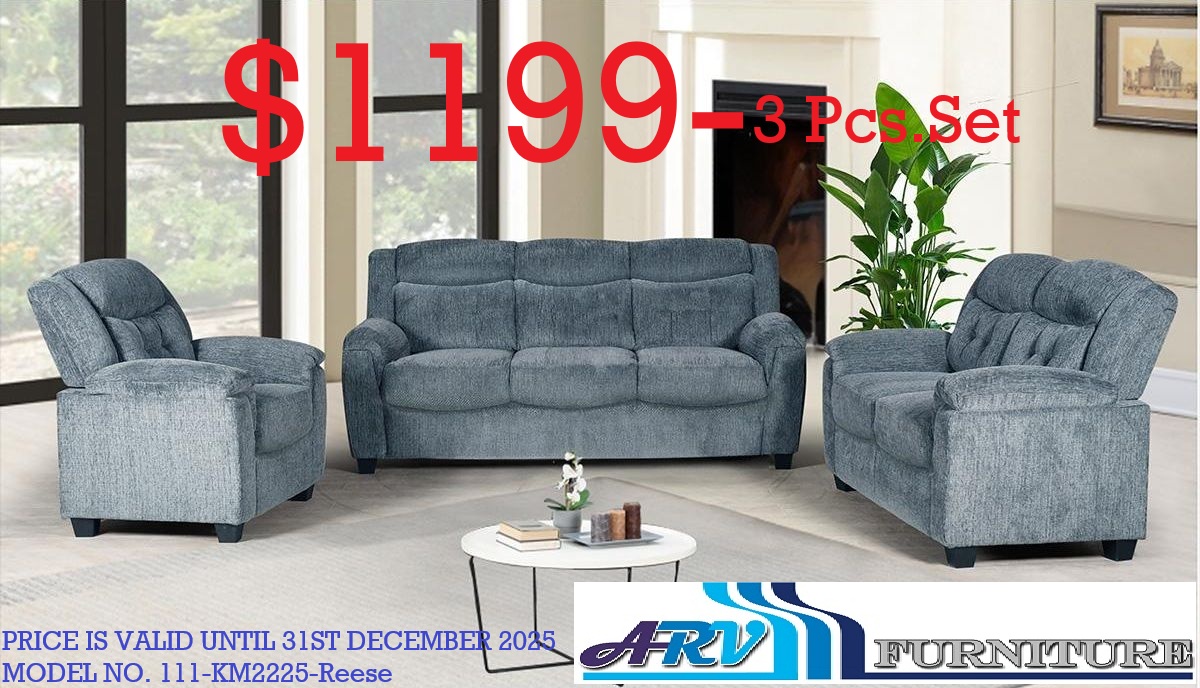
Here are some good tips to keep in mind when you’re choosing a sofa set — these help make sure you get something that’s comfortable, durable, and a good match for your home 👇
✅ Key Things to Evaluate When Buying a Sofa
• Measure Your Space & Plan for Fit
Before anything else, measure the room where you want the sofa — length, width, and walkways. Make sure there’s enough space for people to move around comfortably.
Also measure doorways, staircases, hallways — ensure the sofa can be delivered to the right room without trouble.
Think about proportions: a huge sofa can overwhelm a small room, whereas a very small sofa might look lost in a big space.
• Check Frame & Build Quality
A sofa’s frame is its skeleton — look for sofas with solid wood frames (e.g. oak, birch, other hardwoods), not particleboard or cheap plywood.
Make sure joints and connections are sturdy: screws, dowels, corner blocks are better than only glue or staples.
A stable frame contributes significantly to longevity and prevents sagging or assembly problems over time.
• Consider Cushion & Support System
Cushion filling matters. High-density foam gives firm support and tends to last longer, while down or foam-down blends give a softer, plush feel (but may need regular fluffing).
Suspension / springs under the seat affect comfort: a good spring system (e.g. sinuous springs or hand-tied springs) supports weight evenly and ensures durability.
Seat depth and backrest height: these should match how you sit — for upright sitting vs lounging, and the height/leg length of the people using it.
• Choose Appropriate Upholstery/Fabric & Maintenance Level
Upholstery type affects look, feel, maintenance, and durability: leather, fabric, microfiber, performance fabrics — choose based on your lifestyle (kids? pets? frequent guests?)
Watson’s Blog
If you have pets or kids—or expect spills and heavy use—go for stain-resistant, tightly woven or performance fabrics (or easy-clean leather).
Affordable Home and Car Insurance
Consider color and style: neutral shades are versatile and easier to match with décor, while bolder colours can become a statement but may show wear/spills more.
• Comfort & Real-World Use
Always test the sofa if possible: sit on it, lounge, lean, maybe try reclining if applicable — comfort and support vary a lot between models.
Think about how you’ll use the sofa: is it for entertaining guests, watching movies, napping, everyday lounging? That should guide your selection of size, depth, cushion softness, upholstery, etc.
• Longevity, Maintenance & Practicality
Sofas are a long-term investment — good frame + quality materials = longer usable life. Cheaper sofas with weak frames or low-quality materials may need replacement sooner.
If you expect heavy use (kids, pets, frequent hosting), make sure maintenance is manageable: choose easy-clean/upholstery, removeable cushion covers, and fabrics that resist stains or wear.
🎯 Quick “Checklist” Before You Buy a Sofa
✅ What to check
Room dimensions, doorways, layout
Frame material & construction quality
Cushion filling & seat depth
Upholstery type & fabric durability
Upholstery color & style
Comfort test in person (sit/lie)
Usage pattern (who/how often/for what)
💡 Why it matters
Ensures sofa physically fits & leaves space for movement
Determines durability and long-term stability
Affects comfort and how you’ll lounge or sit
Impacts look, maintenance, longevity and suitability for pets/kids
Should match décor & lifestyle (maintenance, aesthetic, versatility)
Ensures it feels right for your body and use
Helps choose right type — firm vs soft, casual vs formal, easy-clean vs luxe
